Iran demands Bitcoin, crypto payments for Strait of Hormuz passage: FT
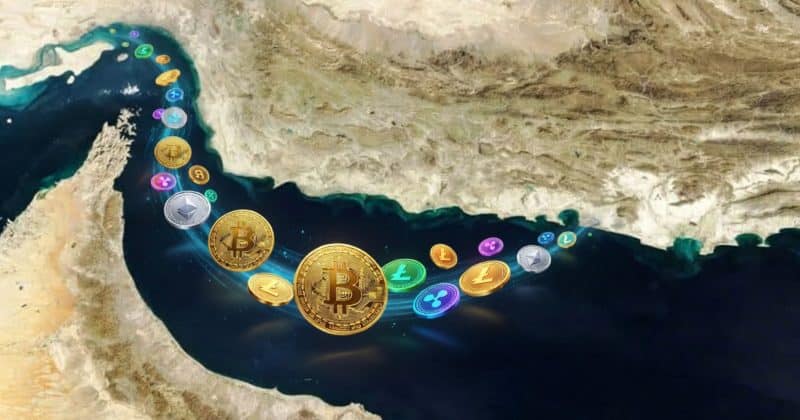
Tehran will require vessels, especially those carrying crude oil, to use digital currencies like Bitcoin for toll payments to cross the Strait of Hormuz, a critical chokepoint for global oil and gas, Hamid Hosseini, a spokesperson for Iran’s Oil, Gas and Petrochemical Products Exporters’ Union told the Financial Times..
The toll, about $1 per barrel, must be paid in crypto after tankers submit details of their cargo. Empty vessels are exempt, but all ships will be monitored to prevent weapons smuggling during the two-week ceasefire.
Iran plans to guide ships along the northern route near its coast, and vessels that ignore the rules face warnings of military strikes.
The process is slow, allowing only a few ships per day to transit safely, creating a backlog in the Gulf. Shipping companies like Maersk are taking a cautious approach while terms are clarified.

Shipping companies pay yuan and stablecoins to transit Hormuz
According to a recent report by Bloomberg, Iran’s Islamic Revolutionary Guard Corps (IRGC) controlled safe passage through the Strait of Hormuz with tolls paid in Chinese yuan or stablecoins.
Ship operators had to submit detailed vessel, cargo, and crew information to an IRGC-linked intermediary, and approved vessels received permit codes and routing instructions. Some ships temporarily changed flags and were escorted through the so-called “Iranian tollbooth.”
While framed as a security measure, the system created legal challenges, sanctions concerns, and higher insurance costs due to regional attacks.
Iran and US agree two-week ceasefire as Strait of Hormuz reopens
Iran and the US on Tuesday agreed to a conditional two-week ceasefire, during which shipping traffic through the Strait of Hormuz will be permitted. The ceasefire follows coordinated attacks by the US and Israel on Iran and comes after President Donald Trump issued threats of extreme retaliation if the strait remained closed.
Pakistan’s Prime Minister Shehbaz Sharif, who facilitated the negotiations, confirmed that the ceasefire was effective immediately.
The US will pause military operations against Iran for two weeks contingent on Tehran reopening the Strait of Hormuz, with Defence Secretary Pete Hegseth warning troops remain ready if needed. Iran has allowed vessel transit and outlined a 10-point plan covering regional conflicts, sanctions relief, and nuclear restraint.